
Ever looked at your nails and wondered why they resemble a miniature mountain range? Ridges on fingernails can be more than just a quirky feature; they can reveal a lot about one’s health and lifestyle. While some might think it’s just a sign of aging or a bad manicure, the truth is far more fascinating.
Understanding Ridges on Fingernails
Ridges on fingernails can result from various factors, including nutritional deficiencies, health conditions, and natural aging processes. In many cases, these ridges fall into two main categories: vertical and horizontal. Vertical ridges run from the cuticle to the tip, often linked to aging or genetics. Horizontal ridges, known as Beau’s lines, can indicate more serious health issues, such as trauma or systemic conditions.
Nutritional deficiencies often play a significant role in nail health. A lack of essential vitamins and minerals, including biotin, zinc, or iron, can contribute to the formation of ridges. Health conditions like anemia or thyroid disorders can also cause changes in nail texture and appearance.
Trauma to the nail matrix leads to temporary ridging. This occurs when the nail bed suffers an injury or undergoes stress from an external force. Conditions like psoriasis or eczema further complicate matters, as they can lead to nail pitting and ridges.
Environmental factors also affect nail health. Frequent exposure to water, harsh chemicals, or even excessive moisture can weaken nails, making them more prone to developing ridges. Maintaining a balanced diet, practicing good nail hygiene, and minimizing exposure to irritants helps reduce the likelihood of ridged nails. Regular moisturizing strengthens nails and promotes overall health.
Monitoring changes in nail appearance proves crucial. Persistent or sudden changes could signal underlying health concerns. Consulting a healthcare professional when ridges appear or change unexpectedly ensures timely diagnosis and appropriate management.
Common Causes of Ridges on Fingernails
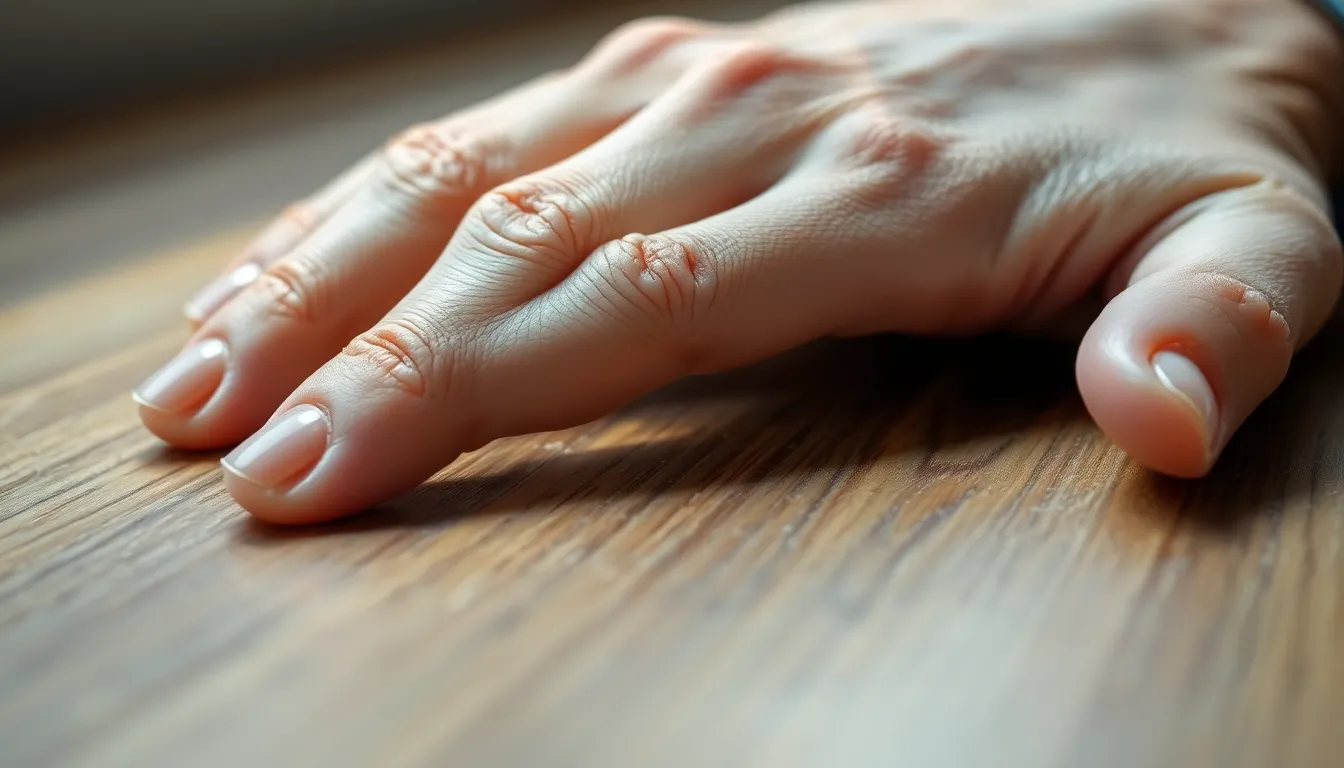
Ridges on fingernails can stem from various sources, including nutritional deficiencies, health conditions, and environmental factors.
Nutritional Deficiencies
A lack of essential nutrients often leads to changes in nail structure. Biotin, zinc, and iron are vital for healthy nail growth. Insufficient biotin can cause ridges, making nails appear fragile. Zinc deficiency contributes to poor nail health, while low iron levels may lead to brittle nails with vertical ridges. Ensuring a balanced diet can mitigate these issues, promoting stronger, healthier nails.
Health Conditions
Several health conditions could manifest with ridges on fingernails. Anemia, caused by a deficiency in red blood cells, may result in noticeable nail changes. Thyroid disorders can also impact nail appearance, leading to ridging as hormonal balances shift. Furthermore, conditions like psoriasis may cause nails to develop both ridges and pitting. Monitoring overall health remains crucial for identifying and addressing such issues.
Environmental Factors
Environmental influences play a significant role in nail health. Frequent exposure to harsh chemicals found in cleaning products can weaken nails, resulting in ridging. Additionally, trauma to the nail matrix from injuries or excessive manicuring often leads to structural changes. Protecting nails from harmful substances and minimizing trauma provides a healthier environment for nail growth.
Types of Ridges
Ridges on fingernails vary in type and significance. Understanding the differences helps in identifying potential health concerns.
Vertical Ridges
Vertical ridges run from the cuticle to the tip of the nail. These ridges often relate to aging or genetic predisposition. They commonly occur as the nail matrix undergoes changes over time. Nutritional deficiencies, particularly a lack of vitamins A, B, and E, can also contribute. In some cases, vertical ridges appear without any underlying health issues and do not require treatment. Monitoring nail health remains essential as changes may indicate nutritional needs.
Horizontal Ridges
Horizontal ridges, known as Beau’s lines, manifest across the nail. These ridges can suggest more serious health conditions. Factors such as trauma, serious illness, or significant stress often cause Beau’s lines. Events like surgery or severe infections may disrupt nail growth, leading to these formations. Identifying the timing of appearance helps ascertain the potential underlying issues. Frequent consultation with a healthcare professional can provide clarity when horizontal ridges become evident.
Prevention and Treatment Options
Making dietary changes can help improve nail health significantly. Nutritional improvements play a vital role in addressing ridges on fingernails. Incorporating vitamins A, B, and E can enhance overall nail strength. Adding biotin-rich foods like eggs, nuts, and legumes boosts nail growth. Iron from leafy greens, red meat, or legumes improves oxygen circulation. ZInc, found in seafood and whole grains, supports healthy nail formation. Maintaining proper hydration also contributes to nail health, ensuring nails remain resilient against damage.
Medical interventions become important when other options fail to yield results. Consulting a healthcare professional helps identify underlying health conditions. Conditions such as anemia and thyroid disorders may require targeted treatments. They may suggest supplements or medications to correct deficiencies. Regular check-ups can help monitor any changes related to ridges. In severe cases, dermatological treatments might offer solutions, including prescription ointments. A professional assessment ensures that treatment aligns with the specific needs of each individual’s nail health.
Ridges on fingernails can reveal much about an individual’s health and lifestyle. While they may sometimes be dismissed as a natural part of aging or poor nail care, their presence often signals deeper issues. Being aware of the types of ridges and their potential causes is essential for maintaining overall nail health.
Monitoring changes in nail appearance can provide valuable insights into one’s well-being. If ridges appear suddenly or persistently, seeking professional advice is crucial. By addressing nutritional deficiencies and understanding the impact of health conditions, individuals can take proactive steps towards healthier nails. Prioritizing nail care and overall health can lead to significant improvements in nail appearance and strength.