
Imagine this: you’re strutting your stuff, feeling like a million bucks, when suddenly—bam! A painful bump on the bottom of your foot turns your confident walk into a clumsy shuffle. Not exactly the grand entrance you had in mind, right?
Understanding Painful Bump On Bottom Of Foot
A painful bump on the bottom of the foot can arise from various reasons. Common causes include plantar warts, bunions, or calluses. Plantar warts, caused by the human papillomavirus, often appear on weight-bearing areas and can lead to significant discomfort. Bunions develop as a bony bump on the joint at the base of the big toe, often accompanied by pain and swelling. Calluses, thickened layers of skin, form as a response to repeated friction or pressure.
Symptoms associated with these conditions vary. Pain intensity can range from mild discomfort to sharp sensations that hinder walking. Swelling and tenderness may accompany inflammation around the bump. Individuals might notice changes in their walking patterns due to the pain, leading to further complications such as additional foot strain.
Diagnosis typically involves physical examination. A healthcare professional may check for tenderness, swelling, and depth of the bump. Imaging studies, such as X-rays, may confirm the presence of bone abnormalities or guide treatment options more effectively.
Treatment for a painful bump depends on the underlying cause. Options may include over-the-counter pain relievers, topical treatments, or custom orthotics for additional support. In some cases, surgical intervention may be necessary to remove the bump or address structural foot issues. Active management strategies, including proper footwear and foot care, also play a crucial role in alleviating symptoms and preventing recurrence.
Common Causes Of Painful Bump
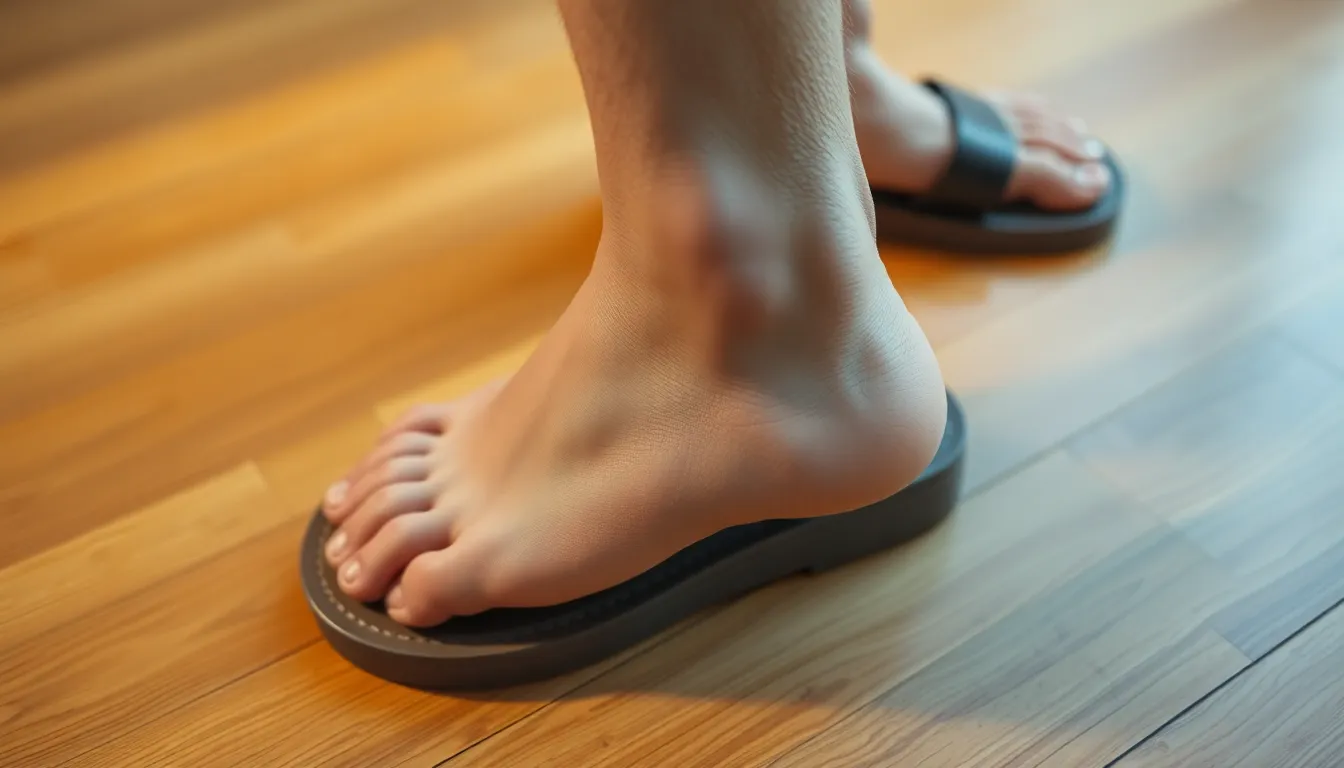
Many factors contribute to the development of painful bumps on the bottom of the foot. Understanding these causes can lead to better management and treatment options.
Plantar Warts
Plantar warts arise from the human papillomavirus. This virus penetrates the skin, causing growths on the foot’s surface. Symptoms often include a hard, grainy bump. Discomfort typically increases when pressure is applied, especially while walking. Treatment options include topical medications and cryotherapy. Removal by a healthcare professional may also be necessary for persistent cases.
Morton’s Neuroma
Morton’s neuroma affects the nerve between the toes, often causing pain and discomfort in the ball of the foot. It manifests as a painful lump that can cause a burning sensation. Symptoms may worsen during physical activities or when wearing tight shoes. Treatment focuses on alleviating pressure through supportive footwear or custom orthotics. In some instances, corticosteroid injections may provide relief.
Bursitis
Bursitis involves inflammation of the bursa, small fluid-filled sacs that cushion joints. This condition can develop due to repetitive motion or excessive pressure on the feet. Symptoms typically include swelling, pain, and tenderness at the bump site. Rest and ice application can help alleviate symptoms. Physical therapy and anti-inflammatory medications may also be beneficial for recovery.
Symptoms To Look For
Recognizing symptoms of a painful bump on the bottom of the foot helps in effective management. Observing distinct characteristics and accompanying signs provides insight into the condition.
Pain Characteristics
Pain levels can range from mild discomfort to sharp, stabbing sensations. Sharp pain often intensifies during activities like walking or standing. A dull ache might persist, even at rest. Pressure applied to the bump can worsen the discomfort. Many individuals report pain that radiates to nearby areas of the foot, further complicating mobility.
Accompanying Signs
Swelling commonly appears around the bump, indicating inflammation. Redness might develop, signaling irritation or infection. Some may experience tenderness when touching the area. Increased warmth around the bump can signify an underlying issue. Difficulty in movement often occurs, particularly when wearing certain types of footwear. These accompanying signs frequently highlight the need for medical evaluation.
Diagnosis And Treatment Options
Diagnosis of a painful bump on the bottom of the foot typically involves a thorough physical examination. Healthcare professionals may also recommend imaging studies like X-rays or MRIs to identify underlying conditions.
Self-Care Remedies
Self-care remedies often provide immediate relief for those experiencing discomfort. Applying ice to the affected area reduces swelling and alleviates pain. Over-the-counter pain relievers like ibuprofen or acetaminophen can offer additional comfort. Opting for supportive and well-fitting footwear prevents further irritation. Regular foot soaks in warm water with Epsom salts may also help soothe sore areas. Maintaining a routine of gentle stretching exercises promotes flexibility and strengthens foot muscles.
Professional Treatments
Professional treatments can address underlying issues more effectively. Depending on the diagnosis, medical practitioners may suggest corticosteroid injections to reduce inflammation and pain. For persistent plantar warts, cryotherapy may successfully freeze and eliminate the growth. Custom orthotics can offer personalized support and correct gait issues. Surgical options exist for severe cases, such as correcting bunion formation or resolving Morton’s neuroma. Regular follow-ups with healthcare providers ensure comprehensive management and monitoring of symptoms.
When To See A Doctor
Consult a doctor if the painful bump on the bottom of the foot persists for more than a week. Increased pain, swelling, or redness around the area also indicates the necessity for medical evaluation. Noticeable changes in mobility or difficulty wearing regular footwear often signal underlying issues that require attention.
Seek immediate care for symptoms like fever or discharge from the bump, suggesting potential infection. It’s important to discuss any recent injuries or repetitive activities causing strain on the foot with a healthcare professional. Persistent numbness or tingling may indicate nerve involvement, which warrants further investigation.
Consider making an appointment if over-the-counter pain relief provides minimal or no improvement. A thorough examination and proper diagnosis can help identify serious conditions. Options might include imaging studies like X-rays or MRIs, which can clarify any underlying structural problems.
Follow-ups for ongoing symptoms ensure proper management and monitoring of the condition. Timely intervention often prevents complications and supports a quicker recovery. Ensure that the healthcare provider understands the full extent of symptoms to facilitate effective treatment strategies.
Dealing with a painful bump on the bottom of the foot can significantly impact daily life. Understanding the various causes and symptoms is crucial for effective management. Whether it’s a plantar wart, bunion, or another condition, timely diagnosis and appropriate treatment options can make a world of difference.
Taking proactive steps like wearing supportive footwear and practicing good foot hygiene can help alleviate discomfort and prevent recurrence. When symptoms persist or worsen, seeking medical attention is essential for proper evaluation and care. Prioritizing foot health not only enhances mobility but also boosts overall confidence and well-being.