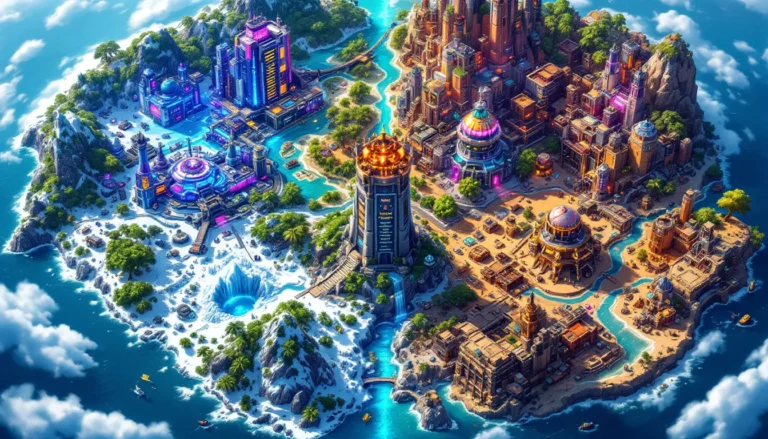
Hold on, there’s been some confusion floating around the Fortnite community. Let’s clear this up right now: there is no Season 6 in Chapter 3. Chapter 3 only ran through four seasons before transitioning to Chapter 4 in December 2022. If you’re looking for info on Chapter 3 Season 3 (which had the “Vibin'” theme), or maybe you meant Chapter 2 Season 6 (the Primal season with Zero Point chaos), you’re in the right place. This guide covers what many players mistakenly search for as “Chapter 3 Season 6”, specifically, we’ll dive deep into Chapter 2 Season 6, the wild, crafting-heavy Primal season that reshaped the island with overgrown biomes, makeshift weapons, and wildlife mechanics. Whether you missed it entirely or want to revisit the meta, buckle up for a complete breakdown of one of Fortnite’s most experimental seasons.
Table of Contents
ToggleKey Takeaways
- Fortnite Season 6 Chapter 3 doesn’t exist; the article clarifies that Chapter 3 only had four seasons before Chapter 4 launched in December 2022, and focuses instead on Chapter 2 Season 6 (the Primal season from March–June 2021).
- Chapter 2 Season 6 introduced a groundbreaking crafting system where players upgraded Makeshift weapons into Primal or Mechanical variants using animal bones or vehicle parts, fundamentally changing early-game strategy and loot priorities.
- The Zero Point’s destabilization transformed the island into overgrown primal biomes with wildlife mobs, Guardian Towers offering shield buffs, and new POIs like The Spire and Colossal Crops, creating a denser, more organic map layout.
- Wildlife taming allowed players to control wolves and boars for combat advantages, while chickens provided mobility options, adding unique survival mechanics that split community reception between competitive and casual players.
- The Season 6 Battle Pass featured major crossovers including Lara Croft (Tier 15) and secret skin Neymar Jr., alongside original primal warriors and DC’s Raven, with Batman/Fortnite comics expanding canonical loop lore.
- Season 6’s experimental mechanics and weapon vaults proved Epic’s willingness to overhaul core gameplay, though the crafting complexity and RNG elements led to mixed reception and influenced weapon pool simplification in later chapters.
What Was Fortnite Chapter 3 Season 6?
Let’s set the record straight. Chapter 3 Season 6 doesn’t exist. Epic Games wrapped Chapter 3 with Season 4 (codenamed “Paradise”) in December 2022, then launched Chapter 4. The confusion likely stems from one of two seasons:
Chapter 3 Season 3 (June-September 2022) featured the “Vibin'” theme, Reality Trees, and a summer party atmosphere with Darth Vader as the headline Battle Pass skin.
Chapter 2 Season 6 (March-June 2021), titled “Primal,” centered on the Zero Point’s destabilization and introduced crafting, wildlife, and primitive weapon types. This is the season most players associate with drastic map changes and experimental mechanics.
For the rest of this guide, we’re focusing on Chapter 2 Season 6 (v16.00-v16.50), the Primal season. It’s the one that deserves the deep dive.
Season 6 Release Date and Duration
Chapter 2 Season 6 launched on March 16, 2021 with patch v16.00 and ran until June 8, 2021, spanning roughly 12 weeks. The season kicked off with the explosive “Zero Crisis Finale” event that concluded Chapter 2 Season 5, immediately thrusting players into a transformed island. Epic extended the season slightly compared to initial projections, giving players more time to complete challenges and adapt to the new crafting meta. Downtime was minimal, most players were back in-game within hours of the update dropping.
The Storyline: Zero Point Chaos and the Primal Age
Season 6’s narrative picked up immediately after Agent Jones sealed the Zero Point in the Zero Crisis Finale event. But sealing it came with consequences, massive energy waves erupted across the island, transforming the landscape into a primal wilderness. The Foundation (voiced by Dwayne “The Rock” Johnson, though his role was minimal this season) vanished into the water, setting up future plot threads.
How the Zero Point Shaped the Island
The Zero Point, now contained within a massive spire at the island’s center, continued to leak reality-warping energy. This caused rapid environmental changes: urban POIs became overgrown with vegetation, technology regressed, and prehistoric creatures roamed freely. The Spire itself became a central landmark, surrounded by Guardian Towers that granted temporary shields to players who activated them.
Lore-wise, this was the IO (Imagined Order) attempting damage control while the island’s reality literally rewound in some areas. The energy didn’t just change the environment, it brought wildlife from different timelines and forced survivors to adapt with primitive tools. According to coverage from IGN, the Zero Point’s instability was Epic’s narrative justification for shaking up the core loop with crafting mechanics.
Key Story Events and Live Moments
Unlike Season 5’s explosive finale, Season 6 was quieter on live events. The major story beats unfolded through:
- Spire Quests: Weekly challenges featuring characters like Raz, Tarana, and the Spire Guardians that gradually revealed the season’s lore.
- The Spire’s Destruction: Midway through the season (v16.30), the Spire began cracking, eventually collapsing and revealing the Zero Point again, setting up Season 7’s alien invasion.
- Batman/Fortnite Comic Crossover: Six-issue DC series that revealed canonical lore about the Loop and the island’s true nature, with in-game rewards for readers.
No massive live event capped off Season 6, which disappointed some players but kept the focus on gameplay changes rather than spectacle.
Battle Pass Skins and Rewards
The Season 6 Battle Pass cost 950 V-Bucks and featured a lineup heavily themed around primal warriors, ancient technology, and reality rifts. The cosmetics leaned into earthy tones, tribal designs, and rugged aesthetics, a sharp departure from Season 5’s bounty hunter theme.
Headline skins included:
- Agent Jones (Tier 1): The Foundation’s partner, now stranded on the island in survivalist gear with multiple casual variants.
- Lara Croft (Tier 15): Tomb Raider’s iconic protagonist with classic and modern style options, a massive crossover win.
- Tarana (Tier 40): Original primal warrior character with unlockable armor styles.
- Raz (Tier 60): Mysterious robed figure who transforms into the corrupted Glyph Master style.
- Cluck (Tier 83): Anthropomorphic chicken with a vendetta, surprisingly popular even though the absurdity.
- Raven (Tier 94): DC’s brooding hero with multiple comic-accurate variants.
Tier 100 and Secret Skins Revealed
Spire Assassin occupied the Tier 100 slot, a sleek, armored warrior bound to the Spire with glowing orange variants. Her design split opinions: some loved the mystical vibe, others found her forgettable compared to past Tier 100s like Menace or Predator.
The Secret Skin was Neymar Jr., the Brazilian soccer star, unlocked at Tier 100 after completing special challenges. His inclusion was… polarizing. Soccer fans appreciated the crossover, but many felt he didn’t fit the season’s primal theme. His reactive emotes and built-in celebration animations showed effort, but he couldn’t match the hype of previous secret skins like Wolverine or Deadpool.
Exclusive Cosmetics and Emotes
Beyond skins, the Battle Pass included:
- Explosive Wrap: Reactive camo that changed based on eliminations.
- Primal Cuddle Team Leader pet: Reactive back bling that growled during combat.
- Toon Meowscles: Cartoon-style reskin of the fan-favorite character, free at Tier 1 for Season 5 Battle Pass owners (a nice loyalty bonus).
- Saber Pickaxe: Lara Croft’s signature tool with dual-wield option.
- Various primal-themed gliders and contrails featuring bone, leather, and tribal motifs.
The pass also introduced bonus super styles for owners who hit Tier 100, featuring chrome and runic glow variants for select skins.
Map Changes and New Locations
Season 6’s map was arguably its biggest selling point. The Zero Point’s energy transformed nearly every POI, with some locations regressing thousands of years while others simply got consumed by nature.
Primal Biomes and Overgrown Areas
The island split into distinct biomes:
- Primal Zone: The center and northwestern regions became dense jungle, with massive trees, thick foliage, and reduced visibility. Navigation got trickier, but ambush opportunities skyrocketed.
- Urban Decay: POIs like Dirty Docks and Colossal Crops retained structure but became overgrown, with vines covering buildings and grass breaking through pavement.
- Guardian Spires: Six smaller spires surrounded the central Spire, each offering shield buffs and loot, high-risk, high-reward landing spots.
The environmental shift affected gameplay significantly. Tree cover made third-partying easier, while the overgrowth provided natural concealment for rotations. Long sightlines disappeared in primal zones, favoring close-range loadouts.
POI Additions and Vault Removals
New named locations included:
- The Spire: Central landmark replacing the Zero Point crater, featuring vertical combat and Guardian NPCs.
- Colossal Crops: Replaced Colossal Coliseum, transforming the gladiator arena into a massive farm with corn fields.
- Boney Burbs: Took over Salty Towers, blending suburban homes with prehistoric bone structures in a weird-but-workable mashup.
Vaulted POIs: Salty Towers, Colossal Coliseum, and several Hunter’s Haven structures vanished. Some battle strategy adjustments became necessary as familiar rotations disappeared.
Unnamed locations saw additions like crashed IO Guard Posts, wildlife nests, and foraging areas packed with crafting materials. The map felt denser, more organic, and less symmetrical than previous seasons, divisive, but refreshing for players tired of grid-based POI placement.
New Weapons and Crafting System
This is where Season 6 went all-in on experimental mechanics. Epic vaulted almost every conventional weapon and introduced a crafting economy that forced players to engage with new systems or fall behind.
Primal and Makeshift Weapon Types
The season introduced three weapon tiers:
Makeshift Weapons (base tier):
- Makeshift Rifle
- Makeshift Shotgun
- Makeshift SMG
- Makeshift Bow
These were the floor loot, weak, inaccurate, and desperate. Think of them as scavenged junk that needed upgrading ASAP.
Primal Weapons (crafted with animal bones/meat):
- Primal Rifle: High fire rate, heavy bloom, shredded at close range.
- Primal Shotgun: Fast fire rate, lower damage per shot than Pumps, rewarded aggressive pushing.
- Primal SMG: Absolute laser up close, 26-round mag, meta for box-fighting.
- Primal Flame Bow: Ignited structures and enemies, ridiculous area denial.
Mechanical Weapons (crafted with vehicle parts):
- Mechanical Rifle (AR): Slower fire rate, better accuracy, essentially the SCAR’s spiritual successor.
- Mechanical Shotgun (Pump): Lower damage than Chapter 2’s Pump, but more consistent.
- Mechanical SMG: Balanced option, less spray-and-pray than Primal.
- Mechanical Explosive/Shockwave Bows: Utility-focused, great for mobility and structure damage.
The crafting system fundamentally changed early-game priorities. You couldn’t just grab a Pump and play, you needed materials, knowledge of crafting recipes, and time to prepare. According to GameSpot community polls, reception was split: comp players hated the RNG and time investment, while casual players enjoyed the survival-game vibes.
How to Craft and Upgrade Weapons
Crafting required:
- A Makeshift weapon (base)
- Crafting materials:
- Animal Bones/Meat (from hunting wildlife) → Primal path
- Mechanical Parts (from destroying vehicles, farm equipment, washing machines) → Mechanical path
Crafting steps:
- Open inventory (Tab/Options)
- Navigate to Crafting tab
- Select the Makeshift weapon
- Choose Primal or Mechanical upgrade path (if you have materials)
- Confirm craft
Each craft consumed 4 animal bones or 4 mechanical parts. You could also upgrade weapon rarity at NPCs using gold bars, but the base makeshift→specialized craft was the priority.
Pro tip: Mechanical parts were more consistent to farm (cars, tractors at Colossal Crops), while animal bones required hunting and RNG. Most competitive players preferred the Mechanical path for reliability, though Primal weapons dominated in aggressive close-range fights. Players returning after a break should check the current Fortnite shop for any throwback events featuring Season 6 weapons.
Gameplay Mechanics and Features
Beyond weapons, Season 6 introduced survival-adjacent mechanics that redefined the core loop.
Wildlife and Taming System
For the first time, Fortnite featured AI-controlled wildlife roaming the island:
Animal types:
- Wolves (pack hunters, 30 HP, dropped 2 meat)
- Boars (aggressive if approached, 60 HP, dropped 3 meat)
- Chickens (passive, could be picked up for gliding, dropped 1 meat)
- Frogs (passive, aesthetic only, no drops)
Hunting was simple: eliminate animals for meat (heals 15 HP) and bones (crafting material). But the real innovation was taming. Players could approach wolves and boars with meat equipped and hold the interact button to tame them. Tamed animals followed players, attacked enemies on sight, and could be commanded (attack/follow/stay). A tamed wolf pack could shred an unprepared squad in seconds.
Chickens offered mobility, holding one slowed your fall like a glider, enabling rotations from hills or structures without launch pads. Creative players used chicken+shockwave bow combos for insane vertical plays.
Wildlife density was highest in primal zones. Boar spawns near Colossal Crops made it a hotspot for stocking meat and bones quickly. NPCs also sold meat/bones, so you weren’t entirely dependent on hunting.
Guardian Towers and Shield Mechanics
The six Guardian Towers (smaller spires) surrounding the central Spire functioned as mini-POIs. Interacting with a tower’s crystal granted 30 shield instantly, no items consumed, but came with a 30-second cooldown.
Towers were contested heavily in early rotations. Smart squads would secure a tower, farm the nearby loot spawns, then bounce before third-parties arrived. In competitive formats like Arena, towers became strategic checkpoints for maintaining shield economy without burning minis.
Guardian NPCs patrolled each tower, acting as hostile mobs. They dropped gold bars and occasionally rare loot, but their laser-like aim made them dangerous early-game. Duos/squads could farm them efficiently: solos usually avoided the risk unless desperate for mats or shields.
Collaborations and Special Events
Season 6 leaned into crossovers, though less aggressively than Chapter 2’s earlier seasons.
Major collaborations:
- Lara Croft: Tomb Raider’s inclusion as a Battle Pass skin came with themed challenges and a dual-pickaxe set. Epic secured both classic triangle-boob Lara and modern reboot aesthetics.
- Neymar Jr.: Brazilian soccer superstar’s secret skin included reactive jerseys, celebration emotes, and soccer-themed back bling. Love it or hate it, it pulled mainstream attention.
- Raven (DC Comics): Brought Teen Titans representation with comic-accurate styles and a glider modeled after his cape.
- Batman/Fortnite Comics: Six-issue miniseries with codes for exclusive in-game items (Harley Quinn skin, Batarang pickaxe, glider). The comics were surprisingly good, fleshing out Loop lore and the island’s nature.
- Aloy (Horizon Zero Dawn): Appeared in the Item Shop alongside the primal theme, a perfect fit for the season’s survival vibes. PlayStation players got exclusive styles.
- Tomb Raider LTM: Limited-time mode with Lara-themed challenges, obstacle courses, and exploration puzzles.
In-season events included:
- Spire Challenges: Weekly quests involving NPCs like Raz, Tarana, and Cluck that unlocked lore and cosmetics.
- Wildlife Week: Limited-time bounties with bonus XP for hunting specific animals.
- Free Fortnite Cup: Another legal jab at Apple, offering exclusive Galaxy Scout skin to participants.
No Ariana Grande concert or Travis Scott-level spectacle, but the comic crossover was a unique experiment. Fans of Fortnite social media trends saw tons of fan art and memes around the Neymar and Lara skins specifically.
Tips and Strategies for Season 6 Success
Season 6’s meta rewarded players who mastered crafting, adapted to wildlife mechanics, and leveraged the new movement options.
Best Landing Spots for Loot
Top-tier drops:
- Colossal Crops: Dense loot, abundant mechanical parts (tractors, silos), and boar spawns for meat/bones. The central barn offered height advantage for early fights.
- Boney Burbs: Compact POI with high loot-per-area ratio. The bone structures provided natural cover, and proximity to the Spire enabled fast rotations.
- Dirty Docks: Still a solid choice even though overgrowth. Containers and warehouses held quality loot, plus vehicles for mechanical crafting.
- Guardian Towers: High-risk, high-reward. Instant shields, decent loot, and gold from NPCs if you could handle the Guardian aggro and potential third-parties.
- Steamy Stacks: Underrated for solos. Edge-of-map positioning reduced third-party risk, and industrial structures had mechanical parts everywhere.
Avoid early-game: The Spire (too hot, vertical combat chaos) and heavily contested primal zones where wolves could ruin your day mid-fight.
Mastering the Crafting Meta
Efficient crafting made or broke your mid-game:
Step-by-step crafting priority:
- Land and grab a Makeshift weapon (any rarity will do).
- Farm materials immediately: If near vehicles/equipment, grab mechanical parts. If in primal zones, hunt one boar/wolf pack for bones.
- Craft directionally:
- Primal path if you’re playing aggressive, close-range (Primal SMG melted in box fights).
- Mechanical path if you prefer mid-range poke and accuracy (Mechanical Rifle had much lower bloom).
- Upgrade rarity next: Find an NPC (Raz at Colossal Crops, Tarana at Boney Burbs) and spend gold bars to upgrade from green→blue→purple.
- Don’t neglect bows: Mechanical Shockwave Bow was S-tier mobility. Primal Flame Bow forced opponents out of builds.
Players who skipped crafting and stuck with Makeshift weapons lost 80% of early duels. The damage and accuracy gap was just too wide. Those familiar with Chapter 3 Season 2 mechanics will recognize how Epic cycled back to simplified loot pools after Season 6’s complexity drove mixed reactions.
Taming strategy: If running solos, a tamed wolf was borderline OP for third-party deterrence. In squads, one player should focus on taming while others looted, wolves gave your team map control and early warning against pushes.
Endgame tips: Guardian Towers became crucial in final circles. If zone pulled near one, securing it for free shields between fights was clutch. Chickens enabled clutch high-ground retakes without burning mats on ramps. Coverage from Dexerto highlighted how top-tier comp players abused chicken mobility in FNCS matches for unpredictable angles.
Conclusion
Chapter 2 Season 6 was Epic’s boldest experiment in shifting Fortnite’s core identity. Crafting, wildlife, and primal aesthetics split the community, comp players wanted traditional gunplay back, while casuals enjoyed the survival-game hybrid. The map changes were stunning, the Battle Pass had standout skins (even if Neymar was divisive), and mechanics like taming and Guardian Towers added genuine depth.
Whether you loved it or loathed it, Season 6 proved Epic wasn’t afraid to shake up the formula. It set the stage for the alien invasion in Season 7 and taught valuable lessons about balancing innovation with accessibility. If you’re diving into Fortnite now, understanding this season’s legacy helps explain why later chapters returned to streamlined weapon pools and why crafting remained shelved, until Epic felt ready to try again.